2018 Update
In 2018 we used 6,206 tonnes of palm oil in 793 Co-op branded food and non-food products (2017: 6,654 tonnes in 1,038 Co-op branded food products). All the palm oil in these products was certified as sustainable under one of the RSPO certification schemes.
The graph shows how we are managing the change from Credits to Segregated or Mass Balance, to support our aim of making palm oil more segregated and sustainable.
In 2016 GreenPalm certification began transitioning into RSPO certification, and we therefore used a combination of both. Before 2016 this graph did not include cleaning and cosmetic products, but these are since included.

We know that so many of you have an interest in palm oil, as we often get asked about it. So we thought we would answer some of those questions, with a bit of pa oil history thrown in too.
What is palm oil?
Palm oil is a vegetable oil which has been used for millennia, dating back to the Egyptians. Originally found in Ghana, it is the most widely used oil in the world. It grows best around the band of the equator with Indonesia and Malaysia producing the most.
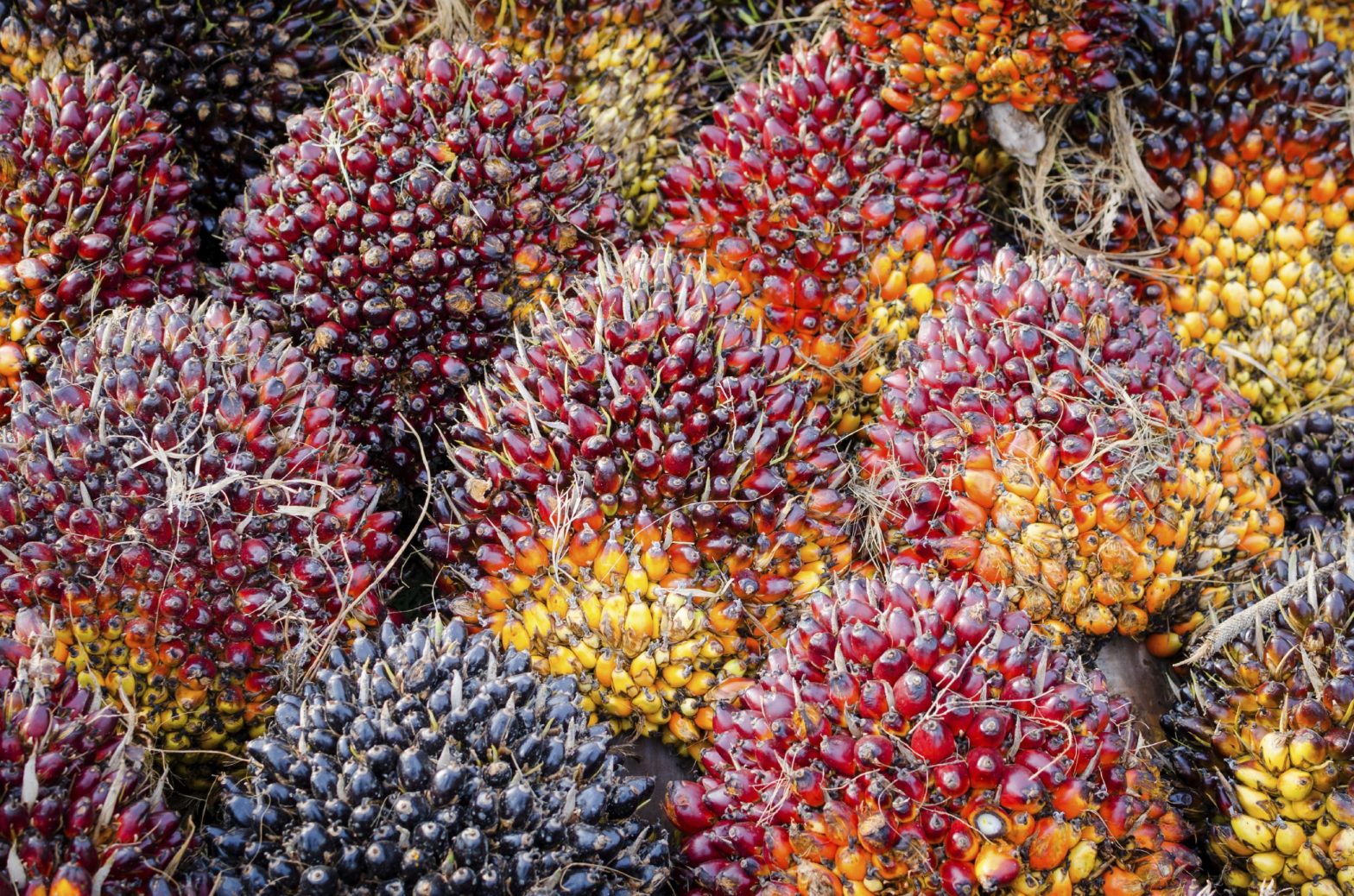
The oil comes from the fruit of the palm tree which has a red skin, soft orange flesh and a slightly harder seed, known as the kernel. Both the seed and the flesh can be milled and refined to produce oils.
Unlike sunflower oil and rapeseed oil, palm oil is hard at room temperature meaning it has a unique property when used in food and household products. It also has a higher yield than other oils from the same amount of land, meaning you can grow much more oil in less space.
Why does is need to be sourced responsibly?
As palm oil has become increasingly popular globally, demand has encouraged more farmers to plant palm trees to produce the oil. To produce more oil and earn an income, farmers turn over land which was uncultivated to produce agricultural land.
Due to these concerns, the Round Table on Sustainable Palm Oil (RSPO) was founded in 2004 as a not for profit organisation. They set the environmental and social standards for sustainably sourcing palm oil. Some groups see this as controversial as it includes all elements of the palm oil industry – including charities, oil palm producers, processors of traders, consumer good manufacturers, retailers and banks/investors. However, this means that they are able to work holistically to make changes.
How does the Co-op source responsibly?
At the Co-op we believe that the key to sustainable sourcing is being proactive in our work and being part of the solution.
If other oils were produced on the same scale they would take more space to do so. Therefore, ensuring palm oil production is sustainable is the best route for lowering the environmental impact. We have supported RSPO since they were founded and via the Retailer Palm Oil Group we now have a representative on the RSPO Board of Governors.
We’re all about transparency and although only recently required by law, we have always labelled ‘Palm Oil’ in our ingredient lists.
Since 2012 we have covered all our palm oil usage via one of the RSPO palm oil schemes. Segregated (or fully certified) supply is the more successful way to show palm oil farmers that there is a demand for sustainable palm oil. We are working on getting 100% of our supply segregated and you can see our progress on the graph below.

WWF have recognised our efforts scoring us 9/9 with as “leading the way” progress on essential items and “well on the path” for physical Certified Sustainable Palm Oil in their 2016 palm oil score card.
Our work on palm oil is constant and we are always looking for innovative ways to support responsible production. We hope to have more news on the topic next year.
More in Sustainability

Communities take action to tackle climate change
In recent conversations, Co-op Members asked us to help them reduce their impact on the environment. So, throughout June, our Member Activators brought their communities together to help them protect nature and take action on climate change. Here Stefan Klueter, Member Activator for Greater Manchester Central and West, tells us about all the activities he…

We’re celebrating 30 years of Fairtrade
‘Be the Change’, let’s take a look back at all the milestones we’ve achieved together

Make swaps for The Great Big Green Week
You may be thinking, what is The Great Big Green Week? Well, it’s the UK’s biggest ever celebration of community action to help tackle climate change and protect nature. This year’s Great Big Green Week is taking place from 8th-16th June and the theme is swaps. There are swaps we can all do to help…